What we treat
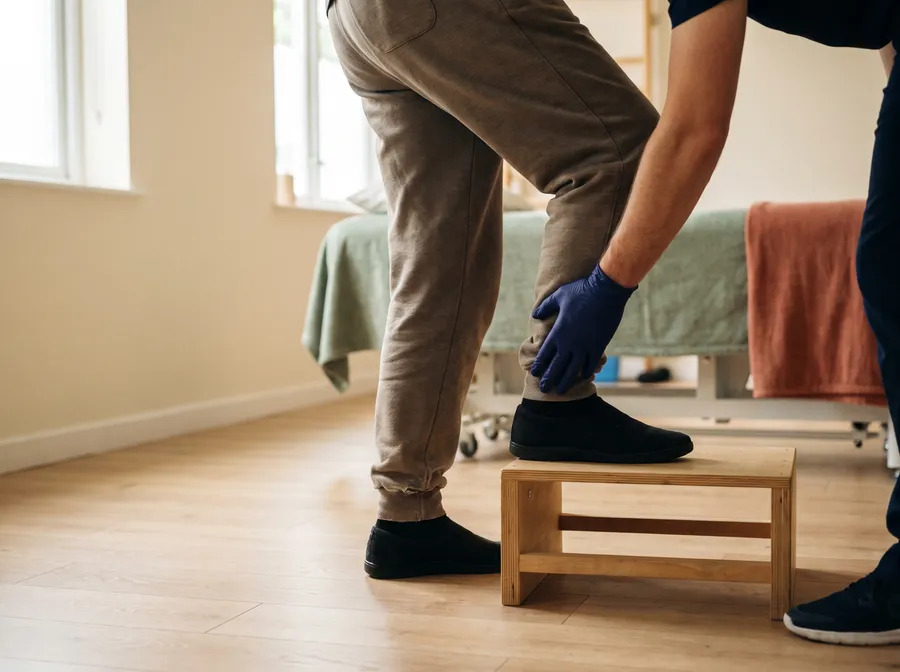
Post-operative rehab
Your surgeon sets the protocol. Our job is getting you through it properly.
What it usually is
Knee and hip replacement
Early range and strength, then walking quality, then the things you actually want to get back to. Most of the gain happens in the first twelve weeks.
ACL reconstruction
A long, staged rehabilitation with criteria at each stage. Rushing it is the single biggest risk factor for a second injury.
Shoulder reconstruction and cuff repair
Protected early, loaded later, and the timing is set by the repair rather than by how it feels.
Arthroscopy and smaller procedures
Quicker, but still worth doing properly — most people are under-loaded rather than over-loaded afterwards.
How we treat it
We follow your surgeon’s protocol and communicate with them where it helps. Within that, we progress you as fast as the protocol and your tissue allow, and no faster. You will always know which stage you are in and what gets you to the next one.
Your first appointment
Bring your operation report or discharge summary and any protocol your surgeon gave you. We will check your range, your wound if it is early, and your strength, then set the plan for the stage you are in.
Questions about this
Do I need a referral?
No. You can book directly with a physiotherapist in Australia. You only need a referral if you are claiming through Medicare, DVA or WorkCover.
How much does the first appointment cost?
$110 for 45 minutes. If you have private health cover we claim the rebate on the spot, so you pay only the gap. There are no booking or admin fees.
What should I bring?
Your private health card if you have one, any scans or reports, and clothing you can move in. For a knee or hip, shorts are ideal.
How many appointments will I need?
It depends on the problem, and we will give you an honest estimate at the end of the first visit. Most straightforward problems settle in three to six sessions.
Other problems we treat
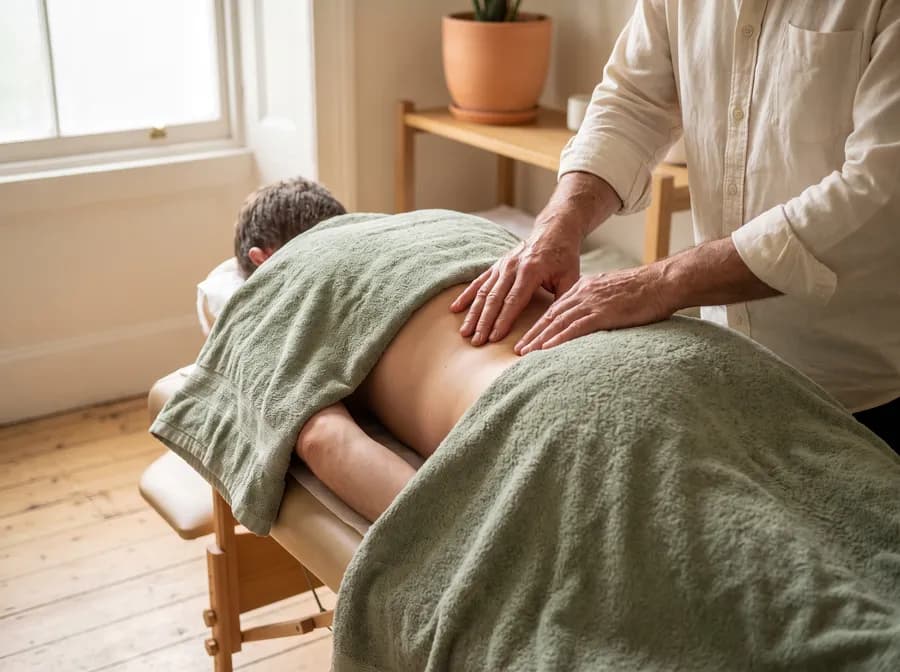
Back and neck pain
Discs, joints, nerve pain and the stiffness that comes from sitting all day. Assessment first, then hands-on treatment and a plan.
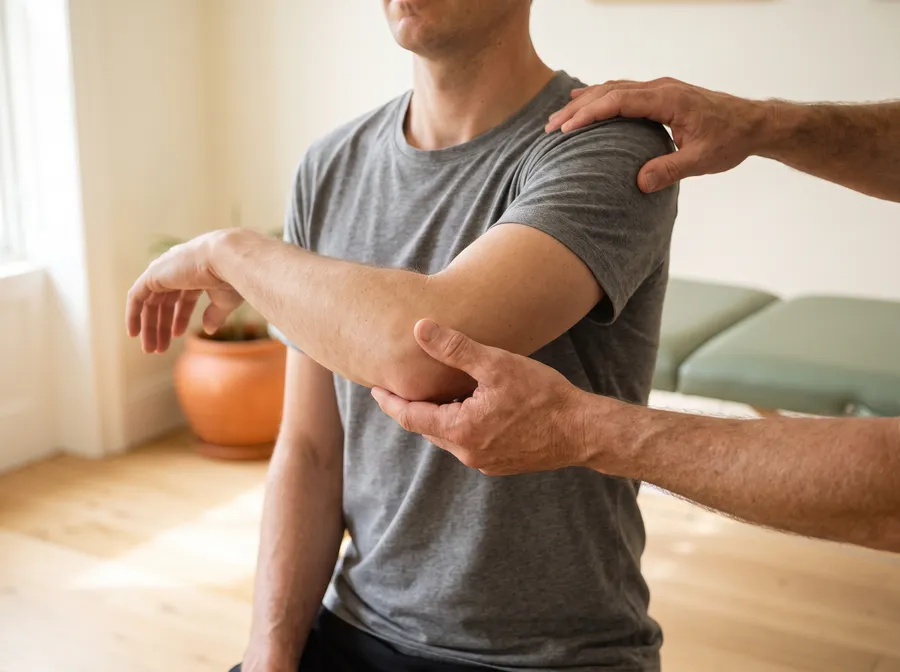
Shoulder pain
Rotator cuff, impingement, frozen shoulder and the ones that hurt most at night. We find what is actually causing it.
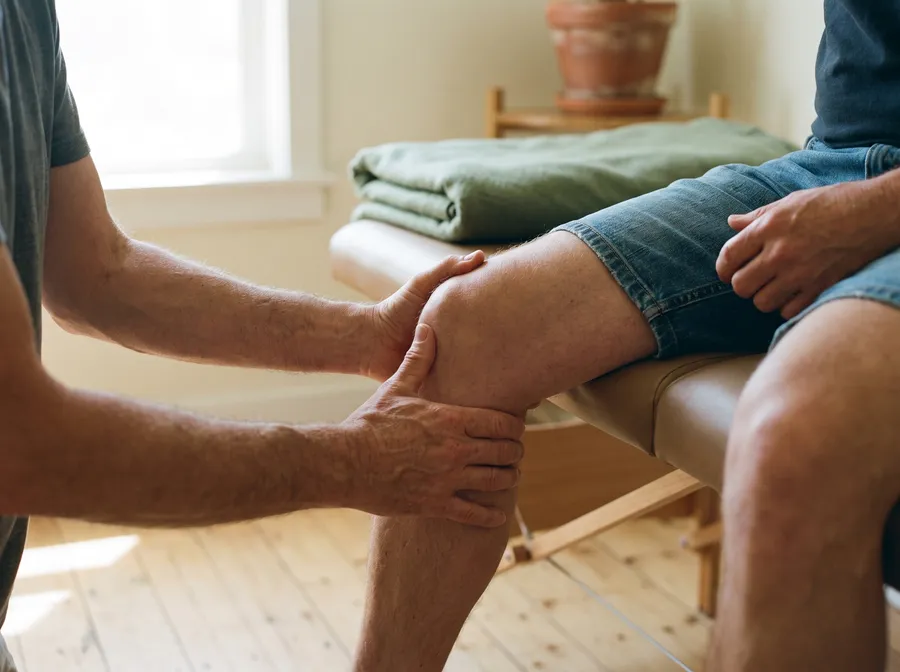
Knee pain
Runner’s knee, ligament and meniscus problems, arthritis and the knees that ache going down stairs.
Hip and groin pain
Hip impingement, glute and tendon pain, and the deep ache that will not settle with rest alone.
Sports injuries
Ankles, hamstrings, calves and shoulders — for weekend sport as much as for competition. Graded return, not guesswork.